Ataköy 7-8-9-10 Ataköy Towers A Blok Kat 14 No: 169, 34156 Bakırköy/İstanbul
Which Dental Abscess Symptoms Require Urgent Assessment?
Which Dental Abscess Symptoms Require Urgent Assessment?
A suspected dental abscess needs prompt assessment by a dentist. An abscess is a collection of pus associated with infection in or around a tooth or the gums. Less pain does not establish that the problem has resolved. Difficulty breathing, speaking or swallowing; swelling around the eye or changes in vision; or substantial swelling in the mouth or neck requires emergency care rather than waiting for a routine dental appointment.
What symptoms may suggest an abscess?
Throbbing or persistent toothache, discomfort on biting, a swollen or red gum, a bad taste or facial swelling may occur. Fever and feeling unwell can accompany these symptoms. However, the pattern varies. An infection can be painless or less painful, so pain intensity alone is not a reliable measure of its significance.
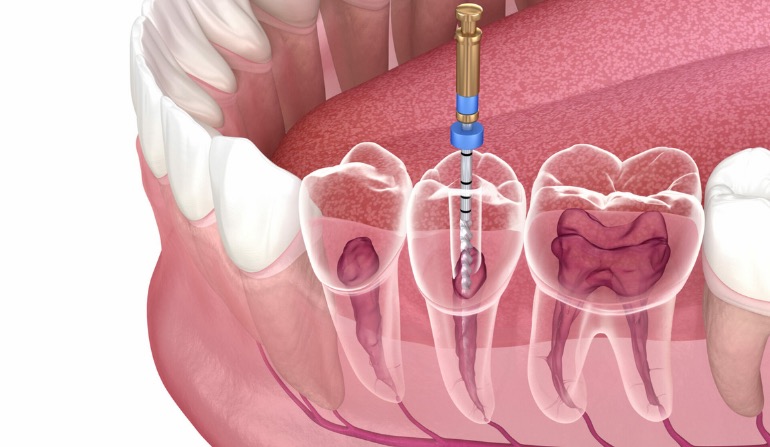
An examination helps distinguish infection arising inside a tooth from disease in the tissues around it. Decay, a crack and gum disease are different possible starting points and may require different treatment plans. Photographs and online examples cannot establish an individual diagnosis.
When is emergency medical care needed?
- Difficulty breathing, swallowing or speaking,
- Swelling or pain around the eye, or a new change in vision,
- Substantial or rapidly increasing swelling inside the mouth, or swelling spreading into the neck,
- Marked difficulty opening the mouth.
With these signs, do not wait for a private clinic to reply to a message or offer an appointment the following day. Seek the nearest emergency medical service. In Türkiye, emergency assistance can be reached on 112. Tell the team about your medicines and any known allergies.
What if there is fever or facial swelling?
Toothache accompanied by fever, significant malaise or swelling of the face or jaw may need same-day assessment. Increasing swelling or worsening general health makes the situation more urgent. People with a condition or treatment that suppresses the immune system should mention this when seeking care; the same approach is not suitable for everyone.
When requesting advice, describe more than the toothache. Explain where the swelling is, how quickly it is changing, and whether fever or difficulty swallowing is present. This information helps the healthcare team determine the appropriate place and timing for assessment.
Why does the source of infection matter?
Treatment aims to address the cause as well as the symptoms. Depending on the source, options may include drainage, root canal treatment, treatment of the gums and supporting tissues, or removal of a tooth that cannot be retained. An abscess does not mean that extraction is inevitable, but it is also not possible to promise that every affected tooth can be saved.
The plan takes account of the extent of infection, the structure of the tooth, surrounding tissues and the person's general health. Recommended follow-up and completion of any necessary restoration are also part of care.
Does every dental abscess need antibiotics?
Antibiotics are not an automatic substitute for treatment at the source. The ADA guideline prioritises dental treatment for many localised pulpal and root-tip conditions in adults whose immune systems are not severely compromised. Fever or other systemic illness, concern about spread and access to definitive care can change the prescribing decision. A clinician must assess the individual situation.
Do not use leftover antibiotics or a prescription intended for someone else. Unnecessary or incorrect use can cause adverse effects and contribute to antibiotic resistance. If antibiotics are prescribed, follow the instructions for use and review; seek reassessment if symptoms become worse.
What can you do while waiting to be assessed?
Soft foods may be more comfortable. Avoid very hot or cold food and drink if they trigger discomfort. Continue gentle cleaning with a soft toothbrush. Ask a dentist or pharmacist about pain relief that is suitable for your medical history, and do not exceed the recommended dose. These measures should not be used to postpone necessary dental care.
Frequently asked questions
The pain has eased. Do I still need a check?
Yes. Relief does not prove that the infection's source has been removed. A suspected abscess still needs assessment by a dentist.
Can an infection matter if I do not have a fever?
Yes. The absence of fever does not rule out an abscess. The location and extent of swelling, ability to open the mouth and swallow, and general health all matter.
If I finish antibiotics, will I still need dental treatment?
Even when medication is needed, the affected tooth or gum may still require treatment. Complete the agreed review and treatment plan.
This article provides general information and does not replace an examination, diagnosis or individual treatment advice.
