Ataköy 7-8-9-10 Ataköy Towers A Blok Kat 14 No: 169, 34156 Bakırköy/İstanbul
Care After Root Canal Treatment
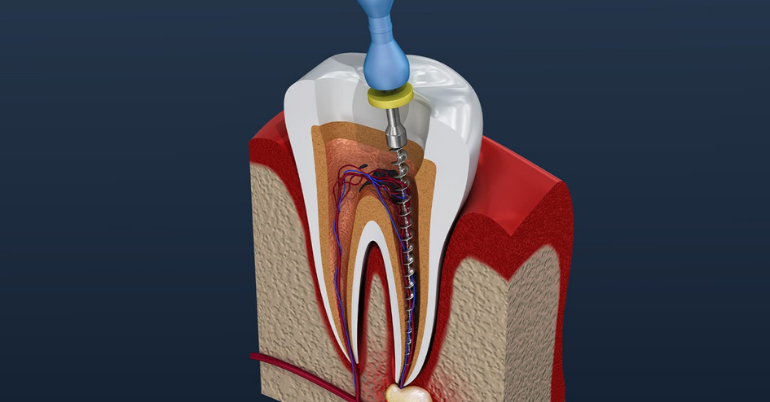
Care After Root Canal Treatment
Care after root canal treatment is important for protecting the treated tooth, avoiding damage to a temporary restoration and completing the definitive restoration at the appropriate time. Recovery is not identical for everyone. The initial condition of the tooth, the extent of treatment, inflammation around the root and individual healing can all affect the intensity and duration of symptoms.
This article provides a general framework. Instructions given by the clinician who treated you take priority over general online information.
Last updated: 5 November 2026
Editorial contact: drismailcapar@gmail.comThis article provides general information and does not replace an examination, diagnosis or individual treatment advice.
The first few hours
Local anaesthesia may last for several hours. While numb, it is possible to bite the cheek, lip or tongue, or to misjudge the temperature of a drink. Take care when eating until normal sensation has returned and follow the specific food and drink instructions you were given.A temporary filling seals the tooth between root canal treatment and the definitive restoration. Sticky or very hard foods may dislodge or fracture it. Until the tooth is fully restored, avoid using it to bite hard objects or take heavy chewing loads.Are pain and tenderness normal?
Tenderness when biting, local soreness or jaw fatigue from keeping the mouth open may occur for several days. A tooth that was very painful or inflamed beforehand may be more sensitive. The overall expectation is improvement, but intensity and duration vary.Follow the pain-management and medication instructions given for your case. Do not use someone else's prescription, alter a dose yourself or start antibiotics without clinical advice. If you have a medical condition, allergy, pregnancy or concern about an interaction, contact the appropriate healthcare professional.When should you contact the clinician?
Contact the treating practice if you develop:- Severe or increasing pain or pressure that is not settling,
- Visible swelling inside the mouth or on the face,
- A return of the symptoms present before treatment,
- A bite that feels markedly high or uneven,
- Complete loss or fracture of a temporary filling or crown,
- A rash, itching, hives or another possible medication reaction.
Can you brush the tooth?
Unless advised otherwise, continue brushing and interdental cleaning. Be gentle around the treated area and avoid excessive force on a temporary restoration. Maintaining oral hygiene supports gum health and helps reduce the risk of new decay.Why is the definitive restoration important?
Completion of the root canal procedure does not always mean that the tooth's final restoration is complete. Depending on the remaining structure and chewing load, the tooth may require a permanent filling, onlay or crown. A temporary filling is not designed as a long-term restoration. Delay can increase the risk of leakage, loss of the filling or fracture.The same restoration is not appropriate for every tooth. A front tooth and a molar face different forces and may have different amounts of remaining structure. Position, cracks, the size of the previous restoration and the bite all influence the decision.Long-term care
- Attend recommended clinical and radiographic reviews.
- Brush twice daily with fluoride toothpaste and clean between the teeth.
- Continue regular dental examinations to reduce the risk of new decay and gum disease.
- If you clench, bite hard objects or participate in contact sport, discuss suitable protective measures.
Frequently asked questions
When can I eat?
Eating before numbness has resolved increases the chance of biting the cheek or tongue. Additional advice depends on the restoration and procedure, so follow the treating clinician's instructions.Can I return to work or normal activity the next day?
Many people return to routine activities quickly. The extent of treatment, symptoms, medication and type of work differ. If you are numb, in pain or drowsy because of medication, follow instructions about driving or operating machinery.How long will tenderness last?
Mild tenderness often reduces over several days, but no exact duration applies to everyone. Review is needed if symptoms are not improving, are increasing or are accompanied by swelling. Clinical content lead: Assoc. Prof. Dr. İsmail Davut ÇaparLast updated: 5 November 2026
Editorial contact: drismailcapar@gmail.comThis article provides general information and does not replace an examination, diagnosis or individual treatment advice.
