Ataköy 7-8-9-10 Ataköy Towers A Blok Kat 14 No: 169, 34156 Bakırköy/İstanbul
What Is Root Canal Treatment? The Procedure and Common Questions
What Is Root Canal Treatment? The Procedure and Common Questions
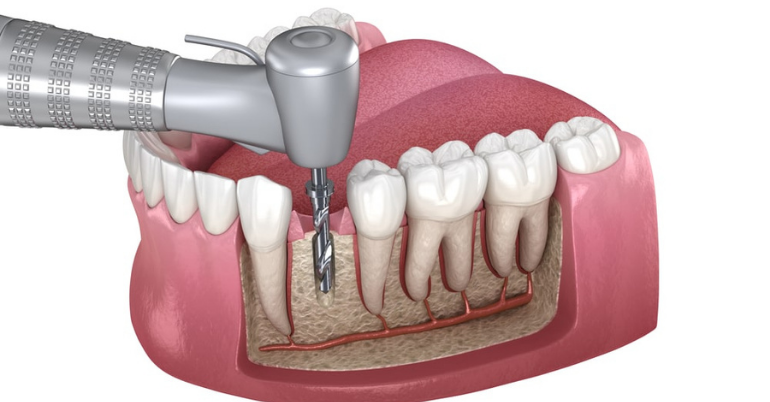
Root canal treatment is considered when the pulp inside a tooth is irreversibly inflamed or infected. The pulp contains nerves, blood vessels and connective tissue. Deep decay, a crack, trauma or repeated dental procedures may damage it. During treatment, the affected tissue is removed; the root canal system is cleaned and disinfected; and the canals are filled and sealed to reduce the risk of renewed contamination.The objective is not simply to reduce pain. Treatment aims to control the source of disease, create conditions for healing around the root and preserve a natural tooth that can be restored. Not every tooth is suitable, however. A severe crack, insufficient remaining structure or other structural problems may require a different approach.
Last updated: 5 November 2026
Editorial contact: drismailcapar@gmail.comThis article provides general information and does not replace an examination, diagnosis or individual treatment advice.
Why can the pulp become diseased?
Common causes include deep decay, a crack or fracture, dental trauma, extensive fillings, repeated procedures and leakage beneath an existing restoration. Early symptoms may include temperature sensitivity. As inflammation progresses, spontaneous or night pain, pain on chewing, swelling or a draining spot on the gum may occur. In some cases, the pulp loses vitality without obvious pain.Symptoms provide clues but do not establish the diagnosis by themselves. The clinician considers the history of the pain, examination, sensibility tests, percussion and palpation findings, and appropriate radiographs. Referred pain from a neighbouring tooth, the jaw joint or another structure may also need to be excluded.How does treatment proceed?
1. Assessment and discussion
The tooth's restorability, canal anatomy and surrounding tissues are assessed. Depending on the case, options may include vital pulp treatment, root canal treatment, retreatment, surgery or extraction. Expected benefits, limitations and material risks are discussed.2. Anaesthesia and dental dam
Local anaesthesia is used when appropriate. A dental dam isolates the tooth from the mouth. This protects the operating field from saliva and provides a safer environment for the instruments and solutions used during treatment.3. Cleaning the canal system
A controlled opening is prepared to reach the canals. Pulp tissue is removed, and the canals are cleaned, shaped and disinfected. Root canal anatomy varies between teeth, so treatment details are individual.4. Filling and restoration
The prepared canals are sealed with suitable root filling materials. A temporary or definitive coronal filling is then placed. Depending on the remaining tooth structure, an onlay or crown may be needed. The final restoration is important for sealing and protecting the tooth against fracture.Can it be completed in one visit?
Some treatments can be completed in one visit, while others require more than one appointment. Canal number and curvature, active infection, previous treatment, obstructions and restorative requirements all affect the schedule. The same estimate cannot be given to every patient before examination.What may be felt during and after treatment?
The procedure is usually performed under local anaesthesia. Additional techniques may be required when tissue is acutely inflamed. Mild tenderness on biting or local soreness may occur for several days. Experiences vary, so it would not be accurate to guarantee an entirely pain-free course for every patient.Contact the treating clinician if pain is severe or increasing, visible swelling or fever develops, a temporary filling is lost, the bite feels markedly high or previous symptoms return.Frequently asked questions
Will a root-treated tooth last for life?
A treated and appropriately restored tooth may function for many years, but a specific lifespan cannot be guaranteed. New decay, restoration leakage, a crack, periodontal disease or trauma can still occur.Can antibiotics replace root canal treatment?
No. Antibiotics do not physically clean infected tissue from the root canal system. Treatment directed at the dental source is usually central to care. Antibiotics may be considered by a clinician when there is spreading infection, fever or systemic involvement.Why can a root-treated tooth hurt if the nerve has been removed?
The periodontal ligament, bone and gum around the root remain living tissues. Healing-related tenderness or persistent disease in these tissues can cause discomfort. Continuing or recurrent pain should be assessed. Clinical content lead: Assoc. Prof. Dr. İsmail Davut ÇaparLast updated: 5 November 2026
Editorial contact: drismailcapar@gmail.comThis article provides general information and does not replace an examination, diagnosis or individual treatment advice.
