Ataköy 7-8-9-10 Ataköy Towers A Blok Kat 14 No: 169, 34156 Bakırköy/İstanbul
How Long Does Root Canal Treatment Take? Visits and Stages
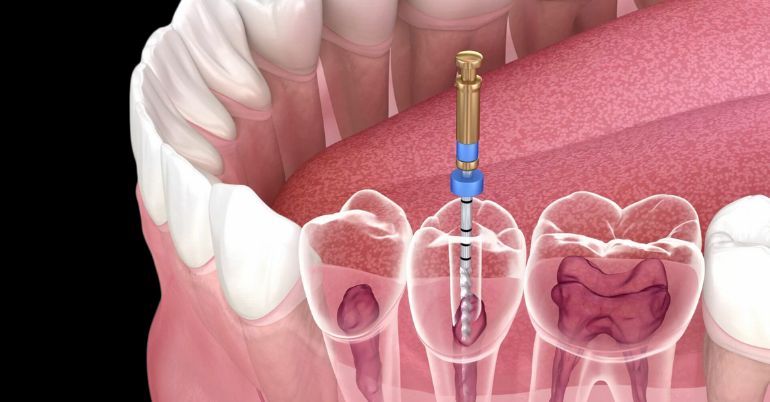
How Long Does Root Canal Treatment Take? Visits and Stages
There is no single answer to “How long does root canal treatment take?” Some cases can be completed in one visit, while others require more than one appointment. The schedule depends on the tooth being treated, root canal anatomy, the condition of the pulp and surrounding tissues, previous treatment and the restoration required afterwards.Examination and radiographs help identify likely difficulties, but some details of the canal system become clear only during treatment. An initial estimate may therefore need to be updated.
Last updated: 5 November 2026
Editorial contact: drismailcapar@gmail.comThis article provides general information and does not replace an examination, diagnosis or individual treatment advice.
What happens during an appointment?
Root canal treatment involves more than removing the pulp. Common stages include:- Reviewing symptoms and relevant medical and dental history,
- Clinical examination, sensibility tests and appropriate radiographs,
- Local anaesthesia and isolation with a dental dam,
- Accessing the root canal system,
- Finding, cleaning, shaping and disinfecting the canals,
- Filling and sealing the canals when appropriate,
- Placing a temporary or definitive restoration and arranging follow-up.
What affects the duration?
Tooth type and canal anatomy
Front teeth often have fewer canals, while premolars and molars may contain several narrow or curved canals. Additional canals, divisions, joins or calcification can require more detailed work.Infection and the surrounding tissues
Active drainage, substantial apical disease or difficulty drying a canal may affect the plan. This does not mean every infected tooth requires multiple visits or every symptom-free tooth should be treated in one visit. The decision is individual.Initial treatment or retreatment
In a previously treated tooth, old root filling material and sometimes an existing restoration must be removed. Untreated anatomy or obstacles may need to be managed. Retreatment can therefore take a different amount of time from first treatment.Cracks, separated instruments, perforation or calcification
A suspected crack, an instrument fragment, a perforation or a very narrow calcified canal may require additional assessment and procedures. Some findings can also change whether the tooth is suitable for preservation.The definitive restoration
After the canals are treated, the tooth may need a permanent filling, onlay or crown. This may be completed at the same or a separate appointment. The time to finish the root canal procedure is therefore not always the same as the time to complete the entire restoration.Is one visit better than several?
No single number of visits is best for every tooth. A single-visit approach may be used in appropriate cases when adequate clinical procedures can be completed. Findings during treatment, retreatment or restorative planning may make additional appointments appropriate. Accurate diagnosis, aseptic technique, adequate canal preparation and a suitable restoration matter more than the number of visits alone.Is healing complete when treatment ends?
No. The clinical procedure may be complete when the canals and restoration are finished, but biological healing around the root can take longer. Symptoms, examination and follow-up radiographs may be used to assess progress over time.Frequently asked questions
How many hours does an appointment take?
The length varies with complexity. Authoritative patient information notes that some appointments may last around one to two hours, but this is not a fixed standard or guarantee. A more useful estimate can be given after assessment.Is the tooth left open between visits?
The canal system and tooth are generally sealed from the mouth with a temporary restoration. Follow the care instructions provided and contact the treating clinician if the temporary filling is lost.Does a longer procedure mean it will fail?
No. More time may reflect additional canals, complex anatomy, previous treatment or another finding that requires careful management. Duration alone does not determine the outcome. Clinical content lead: Assoc. Prof. Dr. İsmail Davut ÇaparLast updated: 5 November 2026
Editorial contact: drismailcapar@gmail.comThis article provides general information and does not replace an examination, diagnosis or individual treatment advice.
