Ataköy 7-8-9-10 Ataköy Towers A Blok Kat 14 No: 169, 34156 Bakırköy/İstanbul
Why Do Gums Bleed and When Should They Be Assessed?
Why Do Gums Bleed and When Should They Be Assessed?
One common reason for bleeding gums is inflammation associated with plaque around the teeth and gumline. Brushing too hard, trauma during interdental cleaning, pregnancy-related hormonal changes and certain medicines can also affect bleeding. Repeated bleeding should not simply be dismissed as a hard toothbrush. An examination of both the gums and teeth is needed to distinguish the possible causes. [1]
How are plaque, gingivitis and periodontitis different?
Plaque is a bacterial film that forms again on tooth surfaces. When it is not regularly removed, it can irritate the gumline. Inflammation with redness, swelling and easy bleeding is called gingivitis. It can improve with effective plaque control and professional cleaning when needed. [2]
Periodontitis also involves the tissues and bone supporting the teeth. The gums may recede, or teeth may shift or become loose. Not all bleeding means periodontitis, and gum recession can have other causes. Equally, the absence of pain does not prove that the supporting tissues are healthy. [3]
What does the pattern of bleeding tell you?
Before your appointment, note whether bleeding affects one area or much of the mouth, whether it follows brushing or happens spontaneously, and how long it has been present. Tell your dentist about accompanying changes such as bad breath, an unpleasant taste, sensitivity, swelling, new spaces between teeth or discomfort when chewing. These observations do not establish a diagnosis, but they help guide the examination. [10]
Do not postpone assessment if bleeding occurs easily or spontaneously, swelling is noticeable or a tooth has recently become loose. Very painful, swollen gums or a new lump in the mouth also need prompt dental assessment. Seek advice from a healthcare professional without delay if bleeding is heavy or does not stop promptly. [5] [1]
Why do general health and medicines matter?
With diabetes, particularly when blood glucose is not well controlled, gum problems may be more severe and healing more difficult. Gum health and diabetes management can affect one another, so your dentist should know about your diagnosis and follow-up care. This relationship does not mean that everyone with bleeding gums has diabetes. [6]
During pregnancy, hormonal changes can increase the gums' response to plaque. Although bleeding is common at this time, it is not a reason to postpone an examination until after delivery. Tell your dental team that you are pregnant and provide a list of medicines; cleaning advice and review intervals can be tailored to your needs. [7]
Always mention blood-thinning medicines. Do not stop them or change the dose yourself to reduce gum bleeding. When a medicine-related decision is needed before dental treatment, it is made with the appropriate treating clinician. Tobacco use is also relevant to gum health and healing. [8] [9]
What happens at the examination?
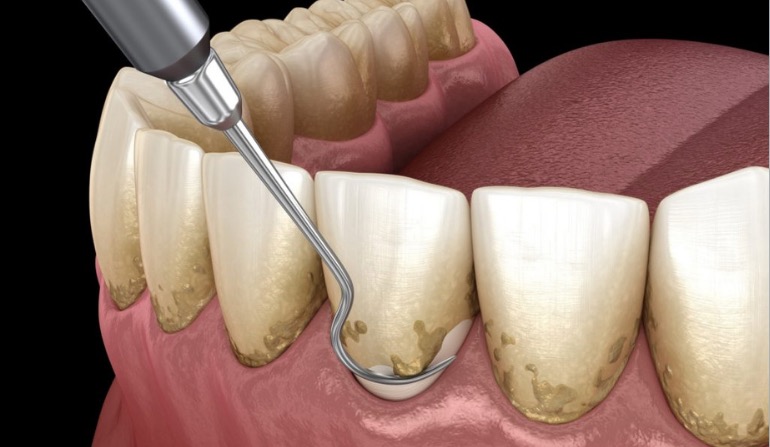
The dentist assesses plaque and tartar deposits, bleeding sites, gum recession and tooth mobility. The spaces around teeth are checked using an appropriate measuring instrument. X-rays may be needed to assess bone support. A single pocket measurement or photograph cannot describe the full extent of disease; treatment is planned from the combined findings. [4]
The aim is more than temporarily stopping the bleeding. Deposits may need removal, daily cleaning may need improvement and the tissues' response needs review. Tartar cannot be brushed away and should not be scraped off with hard objects at home. The gum disease treatment page provides further information. [11]
Frequently asked questions
Should I stop brushing if my gums bleed?
Stopping cleaning altogether can allow plaque to build up. Clean gently with a soft brush and ask your dentist to check your interdental cleaning technique and the size of the cleaning aid. Have recurrent bleeding assessed. [5]
Can I wait if I have no pain?
Gum disease can progress without obvious pain. Repeated bleeding is a sufficient reason to arrange an examination. [2]
Will mouthwash solve the problem?
A rinse can be part of a care plan when appropriate, but it does not replace plaque and tartar control. Discuss the product and duration of use with your dentist. [4]
Does all bleeding require advanced gum treatment?
No. The extent of care depends on the cause and the condition of the supporting tissues. Early inflammation and disease involving bone loss do not have the same treatment needs. [9]
This article provides general information and does not replace an examination, diagnosis or treatment advice tailored to you.
