Ataköy 7-8-9-10 Ataköy Towers A Blok Kat 14 No: 169, 34156 Bakırköy/İstanbul
What Is Assessed Before Dental Implant Treatment?
What Is Assessed Before Dental Implant Treatment?
Whether an implant is suitable cannot be decided solely from the number of missing teeth or a single X-ray. General health, gum and bone condition, the planned restoration, the ability to maintain it and personal expectations are considered together. [3]
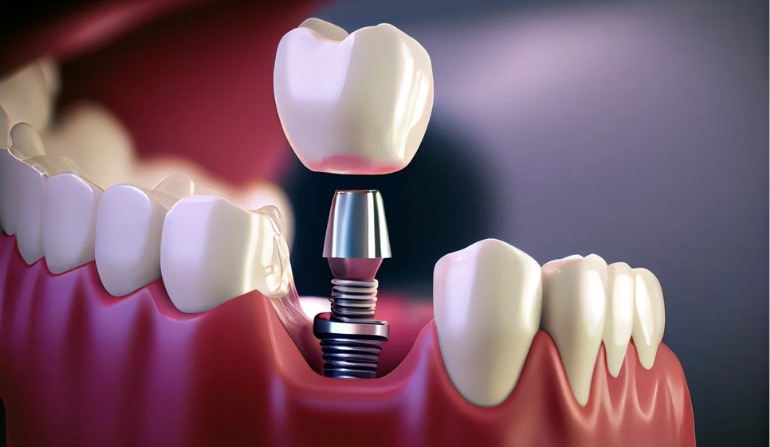
An implant can support a crown, bridge or denture replacing missing teeth; it is not a necessary or suitable solution for every person or every gap. [1]
Planning begins with the replacement tooth
Assessment is not simply about putting an implant into bone. The intended restoration is planned for chewing, speech, appearance and access for cleaning. A single crown, fixed bridge and implant-supported removable denture have different requirements. The existing teeth, bite and space available for the restoration help shape the decision. [11]
Alternatives should also be discussed, including a bridge supported by natural teeth, a removable denture or, in selected circumstances, monitoring the gap. Their benefits, limitations, surgical requirements and maintenance needs differ. The choice should reflect the individual's needs. [2]
Gum health and infection control
Active gum disease, untreated decay and infection are part of pre-implant planning. People with a history of periodontitis may have a higher risk of disease around implants, making disease control and sustainable oral care important. The assessment looks beyond the missing tooth to findings such as bleeding, tartar and difficulty cleaning. [4]
Gum treatment or other necessary care may be planned first. Reviews aim to protect the natural teeth and the tissues around a future implant together. See the gum disease treatment page for further information. [5]
Bone and nearby anatomy
The volume and shape of the bone are examined to see whether the implant can be positioned appropriately for the planned restoration. Neighbouring tooth roots, sinuses and nerves are also considered. Simply being told that bone is present does not mean surgical planning is complete. [2]
Where bone is deficient, augmentation may be considered for some people. Not every deficiency can be managed in the same way. The benefits, risks and healing time of an additional procedure must be discussed separately. The need for grafting may also affect when an implant can be placed. [6]
Imaging is selected for the individual clinical question
The examination, medical and dental histories and any previous images are reviewed before the necessary imaging is selected. Three-dimensional imaging can provide important information for some implant plans, but the same scan is not ordered automatically as screening for everyone. The aim is justified imaging that answers the clinical question while avoiding unnecessary repetition. [7]
General health, medicines and tobacco
Share your medical and surgical history, all medicines and supplements, and any previous treatment to the head and neck. With conditions such as diabetes, disease control and its effect on healing are assessed. Advice from the relevant physician may be needed. The name of a medical condition alone does not establish that an implant is definitely possible or impossible. [10]
Smoking can affect healing and long-term implant health. Being open about tobacco use, how much you smoke and whether you need help to stop supports realistic planning. Assessment discusses personal risks; it does not guarantee an outcome. [1]
Appearance, expectations and long-term care
In areas visible when smiling, gum levels, soft-tissue support and harmony with neighbouring teeth also matter. An implant may remain in place while the restoration's appearance or gum contour does not fully match the patient's expectations. Aesthetic goals and the limitations of the tissues should therefore be discussed at the outset. [9]
Daily cleaning, professional reviews and occasional repairs continue after the implant and restoration are completed. Although an implant does not develop decay, its surrounding tissues can become diseased. Cleaning access and the ability to attend reviews should be discussed during the initial assessment. [5]
Frequently asked questions
Is older age a barrier by itself?
Age alone is not a sufficient decision criterion. General health, oral condition and the ability to maintain care are important. In younger people, completion of growth is an additional consideration. [8] [4]
Does limited bone make implants impossible?
Additional bone procedures may be possible in selected cases, but suitability and risks differ between individuals. Alternative restorations remain part of the assessment. [6]
Can everyone receive an implant and tooth on the same day?
No. Timing depends on clinical circumstances. Some people need treatment in stages with time allowed for healing. [8]
What should I prepare for the first appointment?
Bring your medicine list, medical history and previous images if available. Note questions about alternatives, additional procedures, treatment stages, possible complications and maintenance. The dental implant page provides general service information. [3]
This article provides general information. Individual suitability for an implant is determined after an examination and the necessary investigations.
