Ataköy 7-8-9-10 Ataköy Towers A Blok Kat 14 No: 169, 34156 Bakırköy/İstanbul
Part of my filling has chipped. How does a dentist decide whether to repair it?
Part of my filling has chipped. How does a dentist decide whether to repair it?
A chip can leave most of a filling firmly in place. If one corner has broken off, a dentist may be able to rebuild it and keep the rest. A loose filling, extensive damage or a fracture in the tooth beneath it calls for a different assessment. The dentist examines the edges where the filling meets the tooth and the surfaces you use to chew. FDI, repairing restorations · NHS, chipped or cracked teeth
What does the dentist check?
Describe how you discovered the chip. Was it a sharp edge against your tongue, or did it hurt to bite on that side? Has a piece broken off the same spot before? These details guide the examination of the filling’s edges, the remaining walls of the tooth and the way your teeth meet. An X-ray may help if the dentist needs more information about decay or the extent of the damage. FDI criteria for assessing restorations
A dark line you see in the mirror may be a stain along the filling’s edge. If the dentist also finds softened tooth or missing tooth structure there, they will check for decay. Mention any discomfort, change in how you chew or food getting stuck in that space. FDI criteria for assessing restorations
How do polishing, repair and replacement differ?
A dentist can smooth a rough spot or polish a surface. Repairing a chipped corner involves preparing the damaged area and adding filling material while leaving the sound part in place. Removing an entire filling can also remove some healthy tooth, so it is worth asking whether a local repair is possible. FDI, repairing restorations
Sometimes too little remains to support a repair. A chip at the edge of a filling is a different problem from losing a large part of a chewing surface, including some of the natural tooth. In the second situation the dentist may suggest a new filling or a crown, depending on how much tooth remains. A good question to ask is, “Which part of the tooth or filling broke?” FDI criteria for assessing restorations · NHS, chipped or cracked teeth
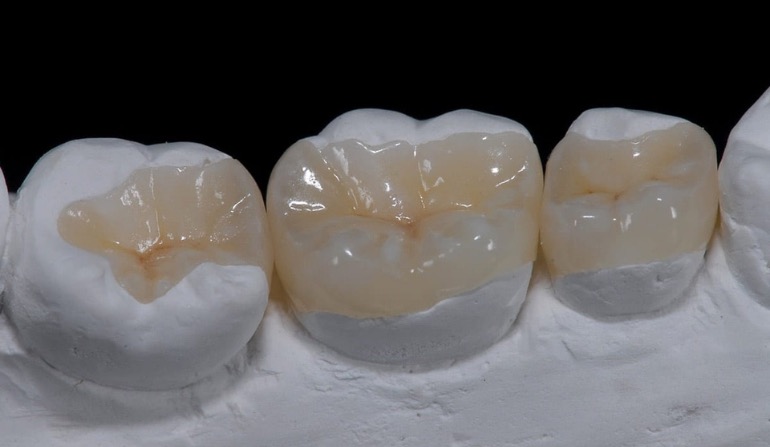
It also helps to know how the original filling was made. If a custom-made piece was bonded onto the tooth and has come off in one piece, the dentist can check whether it is intact and still fits. If so, rebonding may be an option. If a filling built directly in the tooth has fallen out completely, the dentist will assess the cavity again. FDI criteria for assessing restorations
How long can a repair last?
One study followed back teeth with localised damage to composite or amalgam fillings for 12 years. The dentists had selected fillings suitable for repair or replacement. The groups showed similar results on several measures, including how well the edges fitted and whether the teeth were sensitive. Replaced composite fillings scored better for surface roughness. The study involved 34 patients with limited defects. It cannot predict how long a particular repair will last. For an individual tooth, the site of the fracture and the condition of the remaining filling still matter. Estay and colleagues, 12-year study
At follow-up, tell the dentist if the space between the filling and the next tooth is hard to clean. Decay can start at the edge of a filled tooth. Brushing twice a day with fluoride toothpaste and cleaning between your teeth daily help reduce the risk. If the filling extends onto the side facing the next tooth, ask your dentist to show you how to clean that particular space. ADA, cavities · ADA, cleaning between teeth
What should I mention when I call?
Contact your dentist about a broken or loose filling. Mention pain that wakes you up or disrupts daily activities, or swelling inside your mouth that is getting bigger. Those details help the team decide how quickly to see you. Significant swelling in the mouth or throat that makes breathing difficult needs emergency medical care. NHS, urgent dental appointments
