Ataköy 7-8-9-10 Ataköy Towers A Blok Kat 14 No: 169, 34156 Bakırköy/İstanbul
Why keep your gum check-up if the bleeding has eased?
Why keep your gum check-up if the bleeding has eased?
Seeing less blood on your toothbrush after gum treatment can be a sign that inflammation is settling. It is still worth keeping your follow-up appointment. Some changes are easy to notice at home, while others need to be measured. With periodontitis, a form of gum disease that affects the tissues supporting your teeth, disease can persist in some areas without causing pain. At the check-up, you and your dentist can decide what care you need next. Leeds Teaching Hospitals, gum disease · ADA, deep cleaning for gum disease
What does the dentist measure?
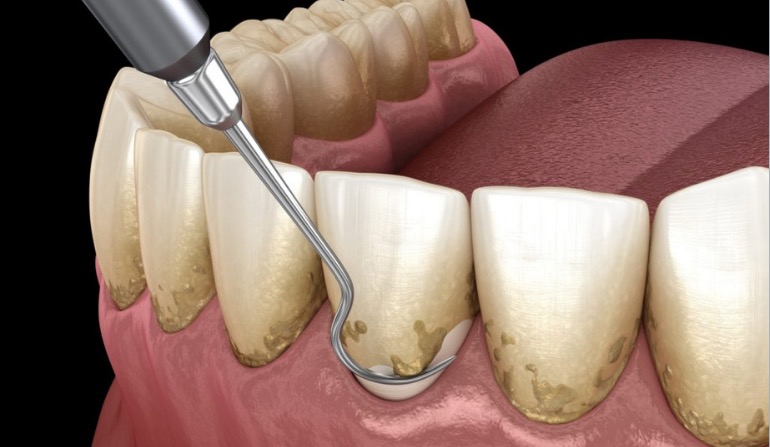
At your first examination, your dentist uses a slim instrument marked in millimetres to measure the space between each tooth and the edge of the gum. When this space deepens, it is called a pocket. Measurements can vary from one side of the same tooth to another. Your dentist also records which sites bleed when measured. If needed, an X-ray can help show how much support the bone provides around the tooth. NIDCR, gum disease · University Hospitals of Leicester, periodontal assessment
After the gums have had time to heal, your dentist measures the same sites again and compares the results with the first visit. For example, your front teeth may bleed less when checked, while a deep pocket beside a back tooth may still bleed. You can ask your dentist to show you which areas have improved and where a change in your cleaning routine could help. ADA, deep cleaning for gum disease · NHS England, dental care pathways
What if one area still bleeds?
Initial treatment involves removing hardened deposits from the teeth. If there are deep pockets, your dentist may also need to remove plaque and tartar from the root surfaces below the gumline. This can take several appointments. You can ask which areas have been treated. If one pocket still bleeds, your dentist may suggest cleaning it again or getting an opinion from a gum specialist. University Hospitals of Leicester, gum disease · NIDCR, gum disease · NHS England, dental care pathways
As swelling goes down, the spaces between your teeth may look more noticeable, or your teeth may seem longer. Point out the change at your check-up so your dentist can compare the position of the healing gumline with the earlier findings. If a gap is difficult to clean, you can choose an interdental brush that fits the space and practise using it with your dentist. University Hospitals of Leicester, gum disease · Leeds Teaching Hospitals, gum disease
How can you care for your gums between visits?
Brush twice a day with a soft toothbrush and fluoride toothpaste. Cleaning between your teeth every day helps remove plaque from surfaces the bristles cannot reach. Floss can fit into tight spaces, while an interdental brush of the right size can clean wider gaps. If the back of a particular tooth is hard to reach, point it out at your visit and ask your dentist to show you how to angle your brush. ADA, brushing your teeth · Leeds Teaching Hospitals, gum disease
Your dentist will suggest when to return based on the pockets, any ongoing bleeding and your individual risk factors. If you smoke, for example, gum bleeding may be less noticeable. If you have diabetes, tell your dentist about any changes in your blood sugar control so they can take them into account when planning your follow-up. You can ask why your next visit is due at that particular time and what changes would warrant an earlier appointment. NHS England, dental care pathways · Leeds Teaching Hospitals, gum disease · NIDCR, gum disease
What happens when the measurements improve?
When inflammation is confined to the gums, professional cleaning and care at home can help them become healthy again. If the teeth have already lost some of their support, treatment aims to prevent further loss and preserve your ability to chew. As the measurements improve, you may move from active treatment to regular maintenance visits. These give your dentist a chance to spot pockets that are deepening again and areas that are hard to keep clean. Leeds Teaching Hospitals, gum disease · NIDCR, gum disease
If your gums start bleeding frequently again when you brush, contact your dentist before your scheduled visit. Ask for an urgent dental assessment if you develop significant pain and swelling or a permanent tooth starts to feel loose. When you call, tell the team which tooth is affected and when you first noticed the change. This helps them decide how soon you need to be seen. NHS, gum disease · NHS, visiting the dentist
