Ataköy 7-8-9-10 Ataköy Towers A Blok Kat 14 No: 169, 34156 Bakırköy/İstanbul
Why Can a Root-Treated Tooth Hurt? Healing Versus Warning Signs
Why Can a Root-Treated Tooth Hurt? Healing Versus Warning Signs
Pain in a root-treated tooth does not, by itself, mean that treatment has failed. Tissues around the root can be tender after a recent procedure. However, pain that does not settle, becomes worse or starts after a long symptom-free period needs reassessment. Swelling, marked discomfort on biting or a return of the original symptoms are reasons to seek advice rather than simply wait for the pain to disappear.
How can a tooth hurt after its nerves have been removed?
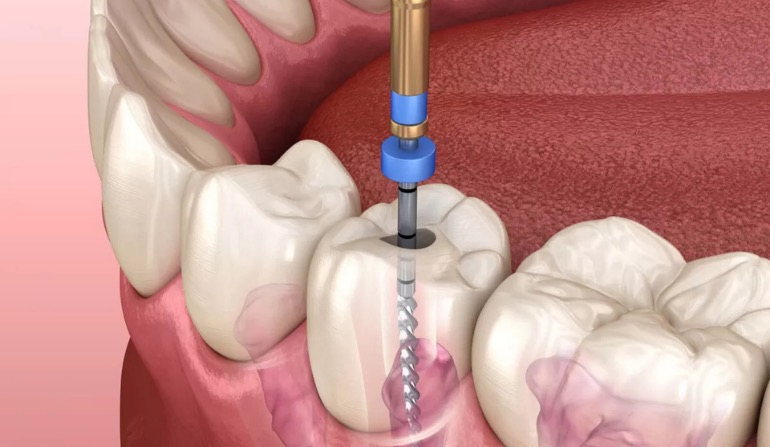
Root canal treatment treats inflamed or infected pulp inside the tooth. The gum, bone and tissues around its roots remain living tissues. Pressure on the tooth can therefore still cause pain or tenderness even after the nerve tissue inside the root canals has been removed.
Why does the timing of the pain matter?
Mild tenderness beginning immediately after treatment is not interpreted in the same way as new pain months later. During the first few days, the pattern and intensity matter as well as the duration. Symptoms that gradually ease differ from pain that is getting worse or disrupting sleep, eating or normal activities. There is no single day on which every person's discomfort must end.
A tooth that has worked comfortably for a long time should also be checked if it becomes painful again. The date of the previous treatment, when the definitive filling or crown was fitted, and any recent fracture or injury can help the assessment. For practical care during the early recovery period, see our article about care after root canal treatment.
What possibilities are considered during an examination?
An uneven or high contact when biting, a loose or broken restoration, new decay and cracks are among the issues considered when assessing pain. In some teeth, complex canal anatomy or a new infection also needs investigation. The tooth a person points to is not always the source of the pain: neighbouring teeth, the gums and other possible sources may need to be assessed.
These possibilities are not a checklist for diagnosing yourself. Pain on biting does not automatically mean a crack, and a change on an image does not, on its own, establish active infection. The clinician combines the history with examination findings and any necessary imaging. Previous images, when available, may help comparison.
Which symptoms should not be left without review?
- Severe, increasing or persistently significant pain or pressure,
- New swelling inside the mouth or on the face,
- A bite that feels noticeably high or uneven,
- A filling or crown that has come out, loosened or broken,
- A return of the symptoms present before treatment.
Difficulty breathing or swallowing, or swelling extending toward the eye or neck, requires urgent medical assessment. Do not wait for a routine appointment or an online message response in this situation.
Does every painful root-treated tooth need retreatment?
No. The appropriate approach depends on the cause of pain and the overall condition of the tooth. A problem with a restoration or the bite may require a different approach from a problem within the canal system. Root canal retreatment is one option for suitable teeth; it is not an automatic decision whenever pain occurs. The nature of a crack, the amount of sound tooth structure and whether the tooth can be restored also matter.
Frequently asked questions
If pain relief helps, does that mean the problem has gone?
No. Temporary relief does not identify or remove the cause. Persistent or recurrent symptoms need assessment; medication does not replace an examination.
Can a tooth become painful years after root canal treatment?
Yes. New decay, a change in the integrity of the restoration or a fracture may need investigation. An examination is needed to establish the explanation.
Should I start antibiotics myself?
No. Antibiotics are not a treatment for every toothache. A clinician decides whether they are appropriate after considering your health history and signs of infection.
What information should I bring to the appointment?
Note when the pain began, what triggers it, whether swelling has occurred, which medicines you take and details of the previous treatment. Older images and restoration records can also be helpful if available.
This article provides general information and does not replace an examination, diagnosis or individual treatment advice.
